
The Quiet End of the Subsidy, and the New Way to Own the Sun
For years the pitch was a tax credit. It expired. What is left is something the salespeople rarely led with: a way to actually own the panels on your roof.
There is a particular silence that has settled over the solar conversation in Northern California this year. For most of the last decade, the sales script opened the same way, with the federal residential tax credit, a number waved like a coupon at the kitchen table. That credit ended for homeowners at the close of 2025, and with it went the easy hook. A lot of families heard the news and quietly filed rooftop solar under decisions that passed them by.
That instinct is understandable. It is also, on closer inspection, a misread of what was actually holding the economics together. The credit was a discount on the front end. It was never the reason the math worked over twenty years. The reason the math worked, and still works, is the thing that has not changed at all: the PG&E bill that arrives every month and keeps climbing.
The people who study these bills for a living tend to describe them the same way, as a rent you pay forever on a house you already own. You do not get equity in the grid. You get a receipt.
The Fear Was Never the Panels
Talk to enough homeowners and a pattern emerges. The hesitation is almost never about the technology. Panels are boring now, in the good way, like a water heater. The hesitation is about the number at the bottom of the first page. Paying for a system outright, in one motion, feels like a decision you are not allowed to unmake.
That fear is the quiet center of the whole thing, and it deserves a straight answer rather than a slogan. The lump sum is real. It is also not the only door. The prepaid path can be financed through Travis Credit Union, which means the ownership does not require you to empty an account in a single afternoon. You spread the cost, and the roof starts working the day it is switched on.
A tax credit was a discount. Ownership is a different kind of promise: at year six, the system is simply yours.
Ownership is the word that got lost in a decade of leases and power-purchase agreements. Those arrangements had their place, but they shared a quiet catch. At the end of the term you had spent years of payments and owned nothing on your own roof. The prepaid lease inverts that. You pay once, upfront or financed, and at year six the system is yours outright. Not rented. Owned.
What Ownership Actually Buys
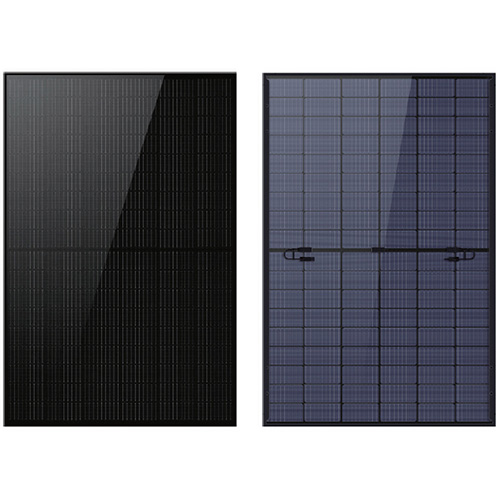
Strip away the language and a prepaid system does a small number of things very well. It replaces a monthly cost that only goes up with a mostly one-time cost that you control. After the system is active, the ongoing electric expense drops to little or nothing, subject to your usage and your utility's rules. And the asset sits on your title, not a financier's.
There are practical reassurances underneath that, the kind that matter when you are the one signing:
The Prepaid Lease, in Plain Terms
- Priced below cash. The prepaid route is structured to come in under a straight cash purchase.
- Financing is available. The upfront amount can be financed through Travis Credit Union, so the lump sum is a choice, not a wall.
- You own it at year six. The system transfers to you outright. No balloon, no rented hardware.
- No credit check, no FICO gate. Qualification does not hinge on a credit score.
- No lien on your home. The arrangement does not place a lien against your property.
- Transferable if you sell. Moving does not strand the system; it can pass with the home.
- Solar, solar plus battery, or battery only. The structure works across all three configurations.
None of that requires a subsidy to make sense. It requires only that electricity keeps getting more expensive, which is the one forecast almost no one in the state disputes.
Who Actually Handles the Work
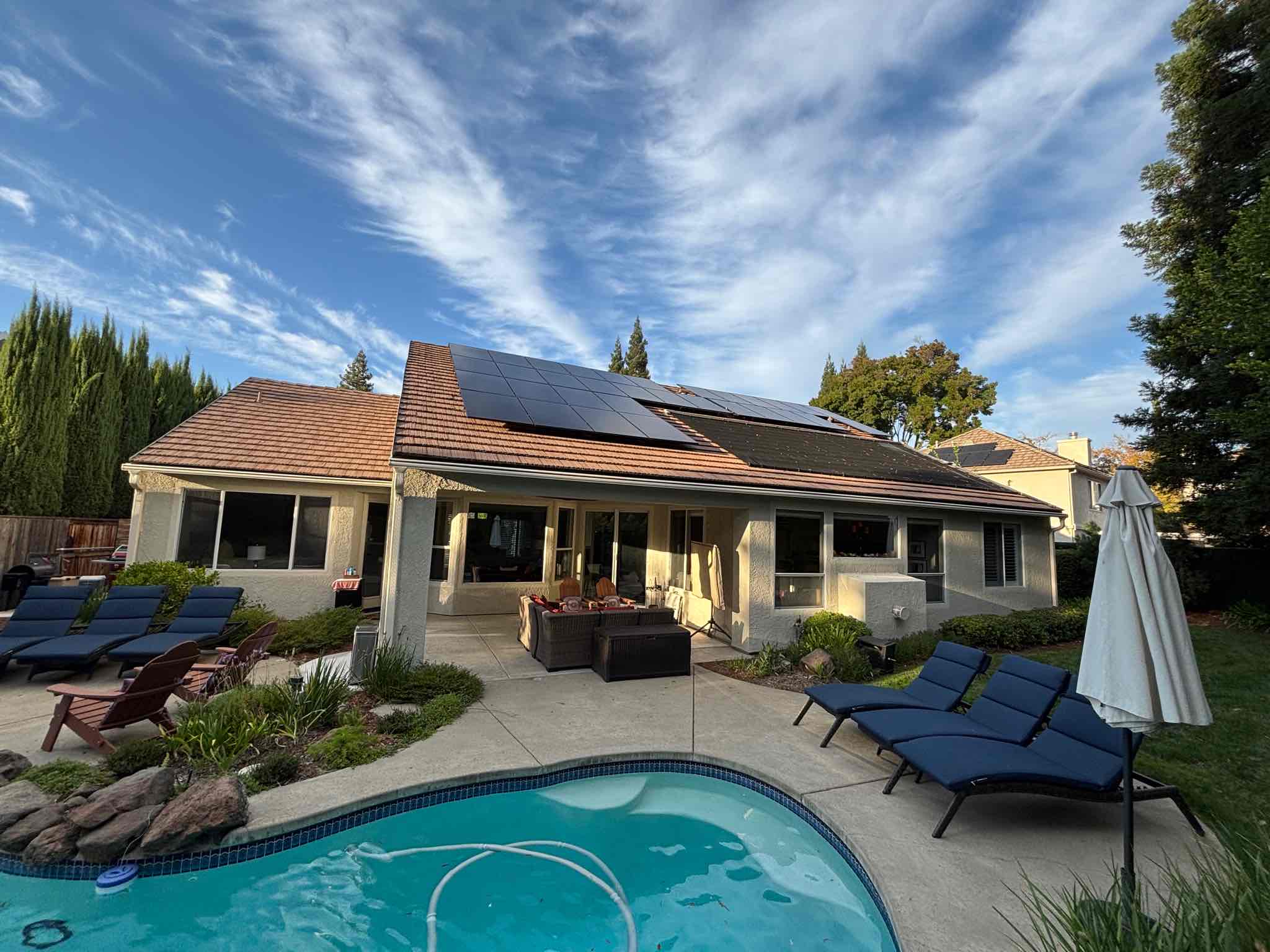
A fair question follows any of this: who does what. Here the arrangement is deliberately simple. North Valley Solar Power designs and manages the project and stays your single point of contact from the first conversation through activation and beyond. The physical installation is carried out by a licensed installation partner. You are not juggling vendors or chasing a call center. One relationship, start to finish.
That structure is not incidental. It is the difference between a project that someone owns and a project that gets passed around. When one team coordinates the design, manages the timeline, and answers the phone afterward, the homeowner stops being the general contractor of their own roof.

One relationship, from the first drawing to the day it switches on. That is the whole design.
The Case for Deciding Now
The reflex to wait is strong, and usually wrong for a plain reason. Every month of waiting is another full PG&E bill paid into a system you will never own. The expired credit did not change that arithmetic; it only removed the marketing around it. The homeowners moving now are the ones who stopped waiting for a discount that is not coming back and started counting the bills they are still paying in the meantime.
What follows is not a hard sell. It is a breakdown. If you want to see the actual prepaid numbers for a home like yours, the figures, the financing, and what ownership at year six looks like on paper, we will send it to you. No visit required to read it.
Send me the prepaid breakdown.
One email. We send the prepaid lease numbers, the Travis Credit Union financing option, and the year-six ownership picture for a PG&E home like yours.
Thank you. Your prepaid breakdown is on its way.
Or, if you would rather talk it through
{{CALLRAIL_NUMBER}}Speak with North Valley Solar Power directly